
What’s New in Yarken - April 2026
Planning breaks when workforce decisions and financial data live in separate systems.
Headcount is tracked in one place. Budgets in another. By the time they align, the opportunity to act has already passed.
Yarken brings them together.
This release connects Workforce Planning, financial visibility, and AI-driven analysis into one unified system, giving teams the control and clarity needed to plan and act with confidence.
Workforce Planning now available in Yarken
Workforce costs are typically the largest component of IT spend. Yet in most organizations, they are still managed outside the core financial planning process.
Yarken brings Workforce Planning into the platform, connecting headcount strategy directly with financial outcomes.
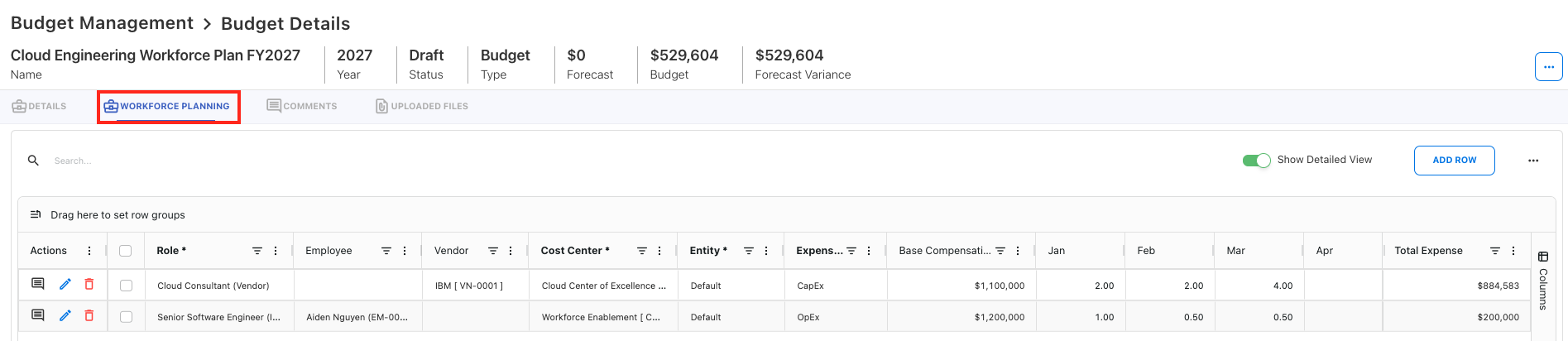
Plan workforce investments with structure
Define roles with standardized compensation.
Plan headcount across months or quarters.
Support both employees and vendors within the same model.
Role-based planning ensures consistent assumptions across teams and eliminates fragmented tracking.
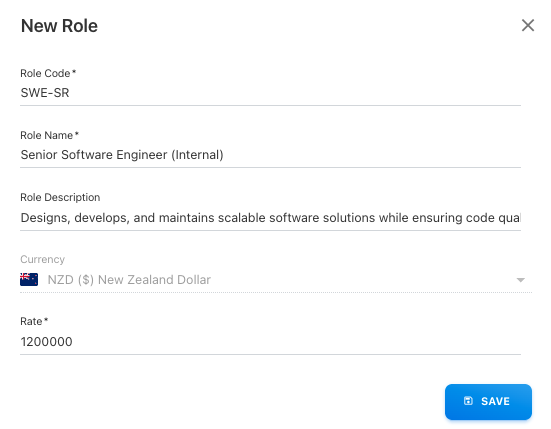
Align workforce with financial and operational structures
Map workforce plans to accounts, cost centers, entities, and internal structures such as teams, projects, or value streams.
This ensures workforce investments reflect how the business operates, not just how finance reports.
Automatically translate headcount into financial plans
Headcount drives cost. Yarken calculates and distributes that cost across accounts in real time.
Budgets and forecasts are generated automatically, removing manual calculations, reducing errors, and improving financial accuracy.
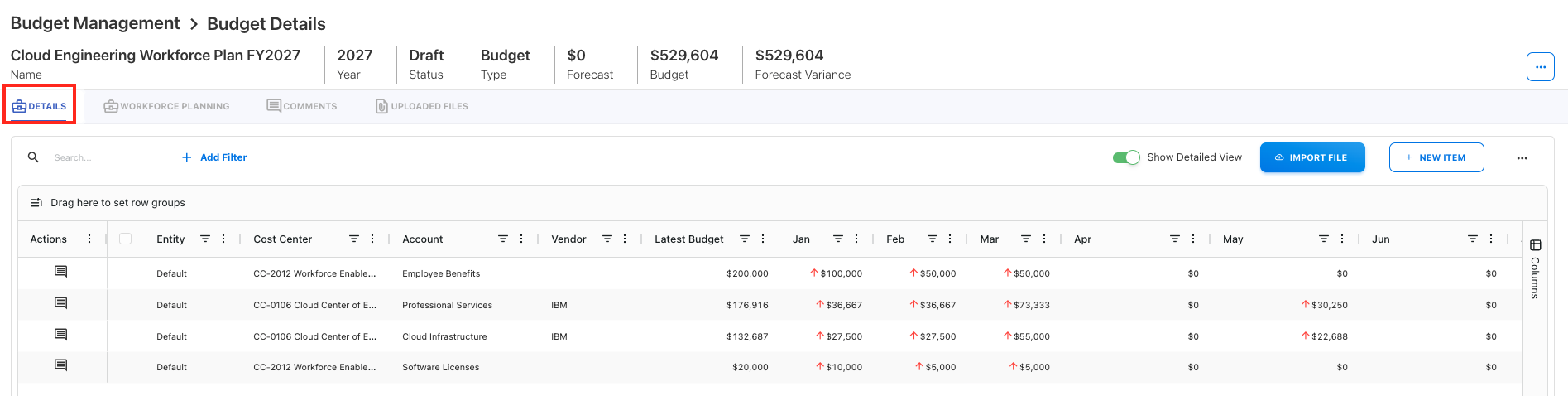
Govern workforce and financial plans together
Workforce Planning is fully embedded within Budget and Forecast workflows.
Plans move through the same review and approval process, ensuring headcount decisions and financial impact are validated together before commitments are made.
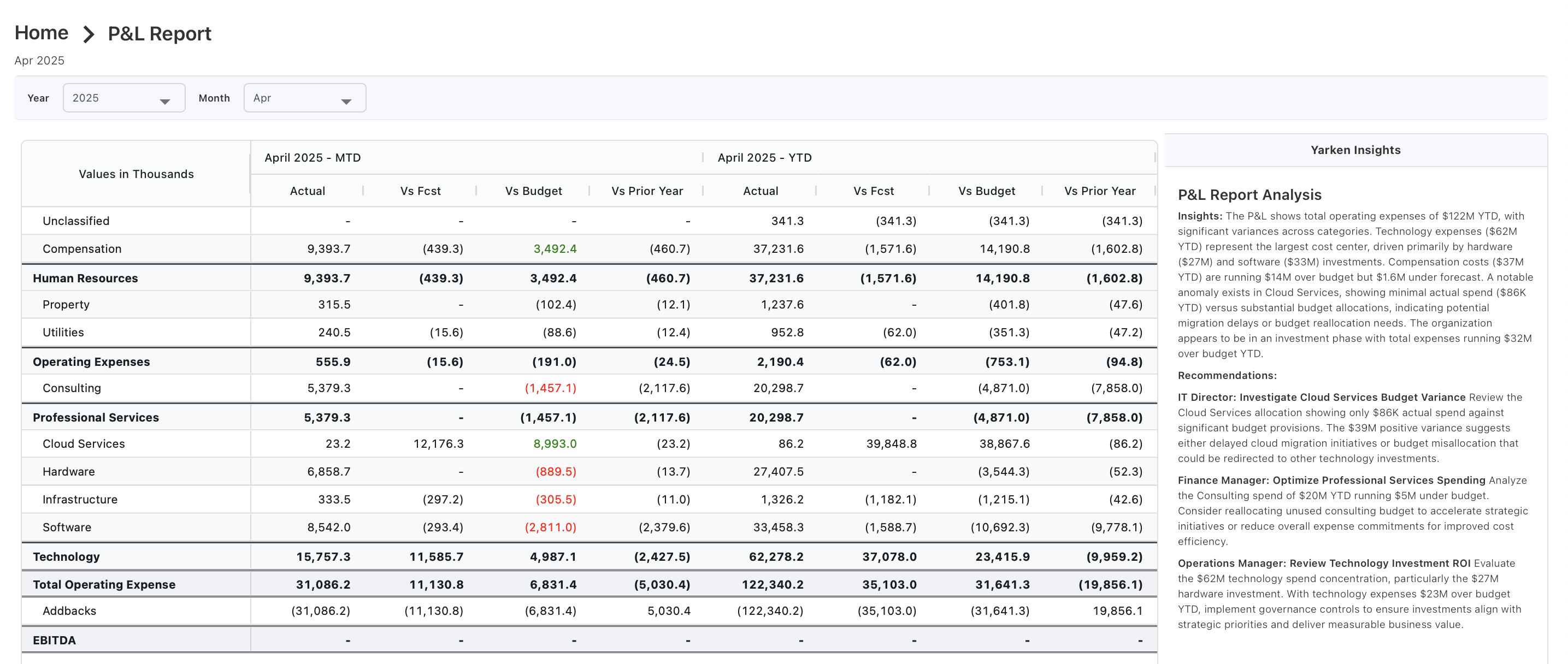
New P&L Report (Account-based)
Yarken introduces a new account-based P&L Report to provide structured visibility into financial performance.
The report supports analysis across Actuals, Budget, Forecast, MTD, and YTD, leveraging account hierarchies to present both detailed and aggregated views.
Key metrics such as Total Operating Expense, Addbacks, and EBITDA are built in, enabling finance teams to monitor performance, analyze variance, and maintain accountability with greater precision.
Ask Yarken enhancements
Ask Yarken continues to evolve into a more responsive and context-aware assistant for financial analysis.
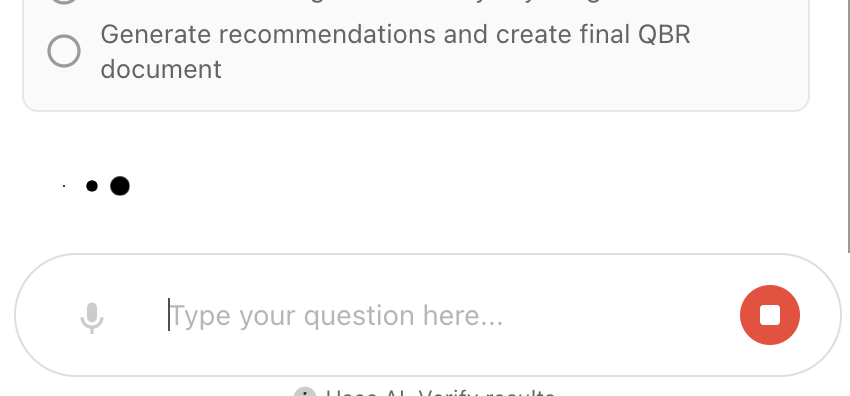
More control during analysis
Users can stop responses in real time, allowing greater flexibility when working with longer or complex queries.
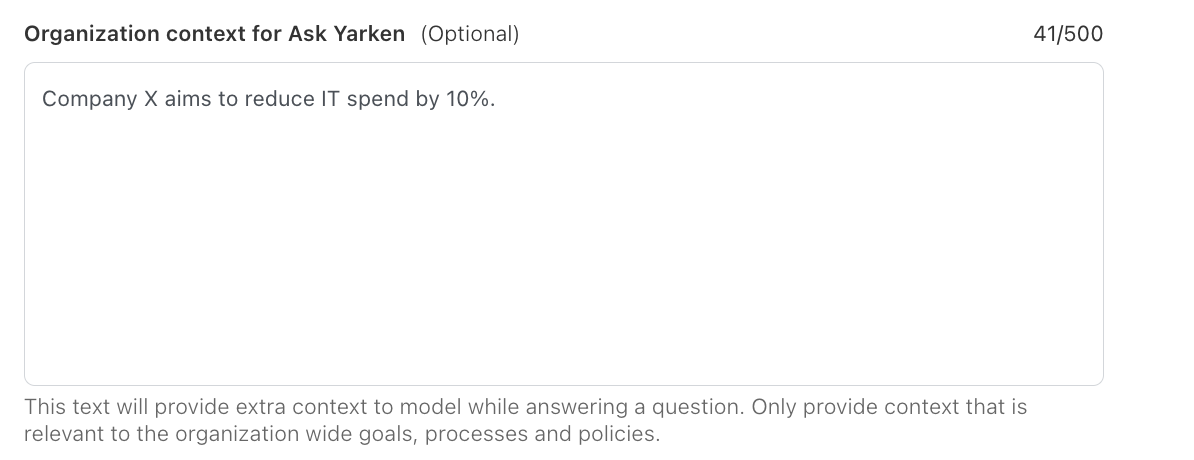
Business-aware responses
Organization-level context can be defined to align outputs with company goals, policies, and cost strategies, making insights more relevant and actionable.
Improved interpretation of queries
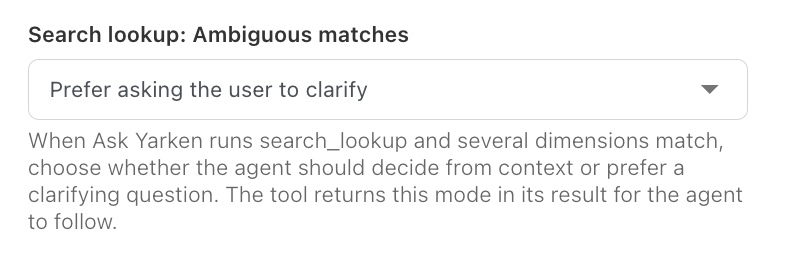
Search lookup identifies and resolves ambiguous terms across vendors, applications, cost centers, and other dimensions. This improves accuracy and reduces friction when interacting with financial data.
When multiple matches are found, Ask Yarken can either:
Ask the user to clarify the intended result
Make a judgment call automatically
This behavior is configurable from the Search lookup: Ambiguous matches setting.
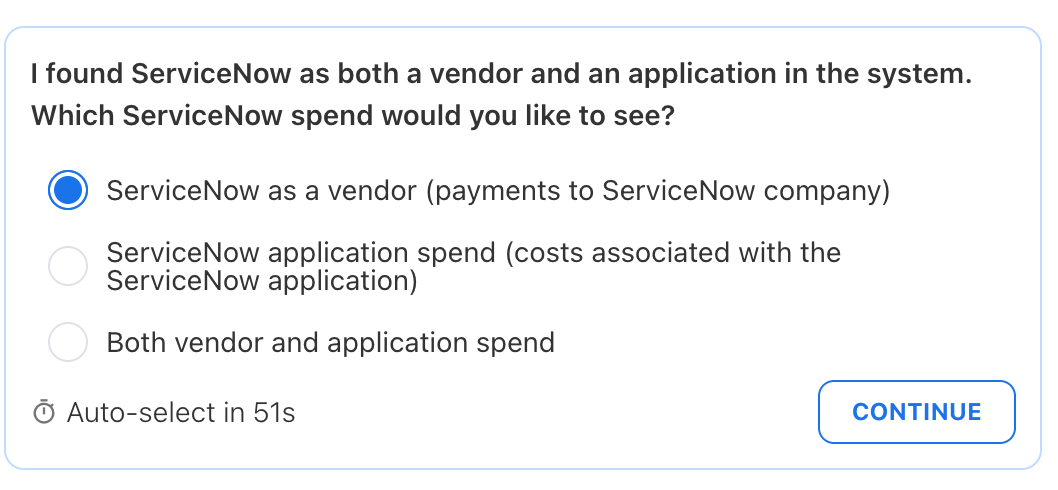
For example, if ServiceNow exists as both a vendor and an application, Ask Yarken can prompt the user to choose whether they want vendor spend, application spend, or both.
Model enhancements
Enhancements to Models improve how teams build, manage, and move financial planning structures across models.
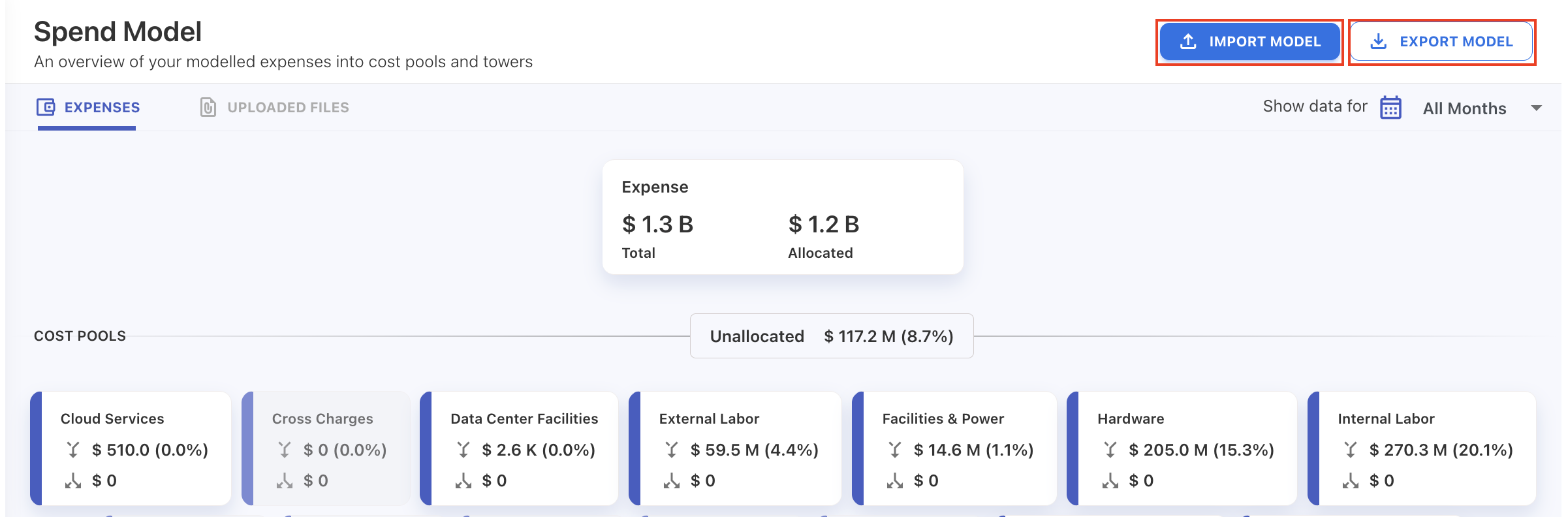
Model Portability
Export and import models (including rules and mappings) to support replication, migration, and backup.
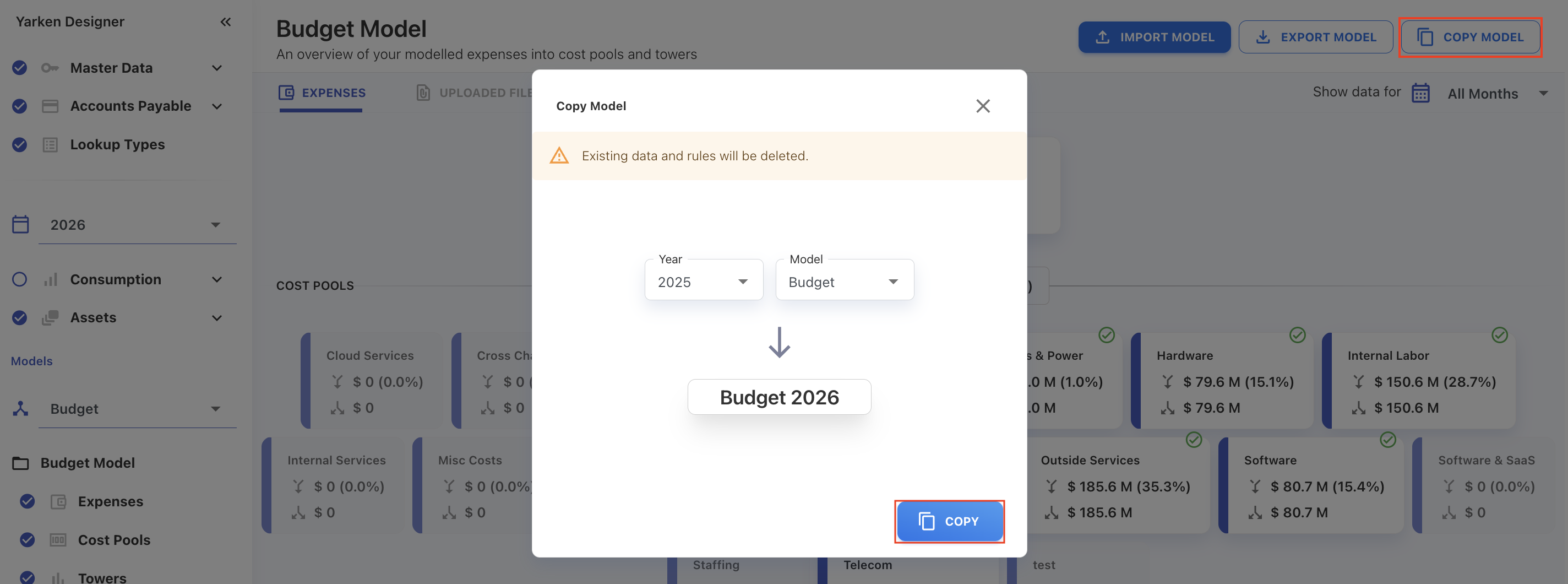
Faster model setup
Copy models across models and planning cycles to reduce setup time and maintain consistency.
Flexible publishing control
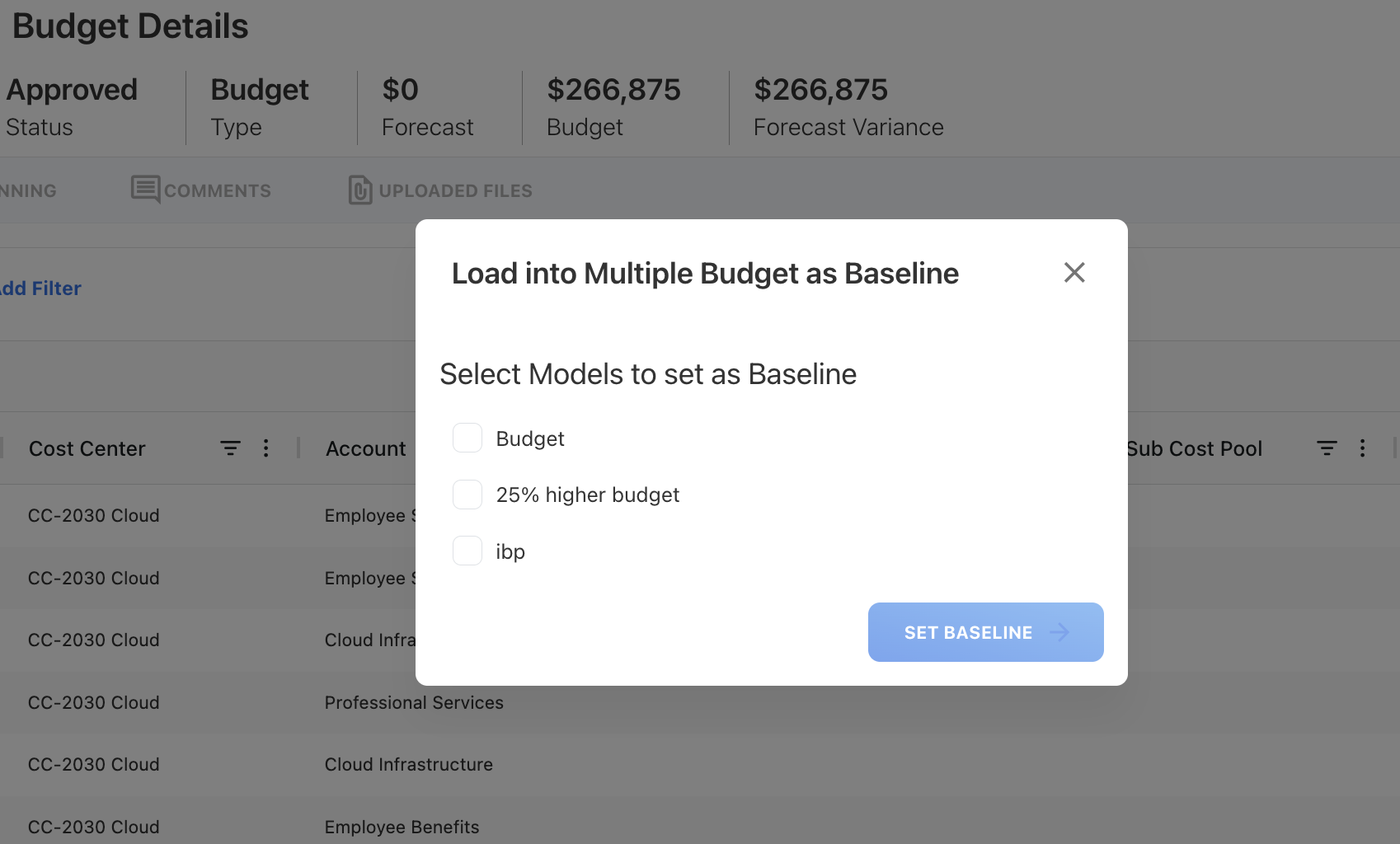
Cloud spend and planning data can now be published to selected models, enabling better control across planning layers and scenarios.
- You can now select the model when publishing cloud spend or Budget/Forecast data.
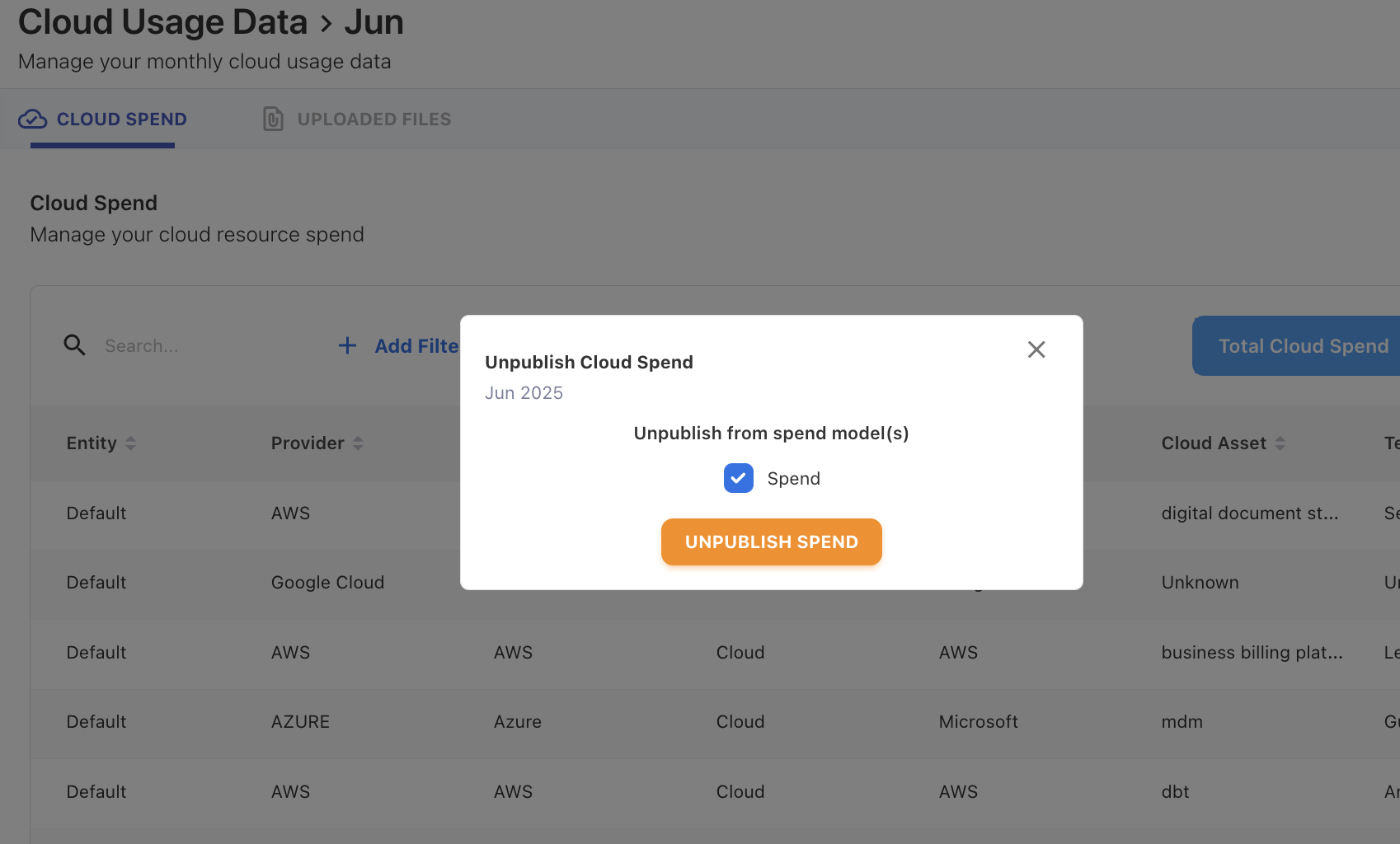
- For cloud spend, a default Spend model is preselected for faster publishing. The model also supports unpublish behavior, allowing you to remove cloud spend data by unpublishing it from a specific model.
What this means for your team
This release brings planning into a single, connected system, eliminating the need to reconcile data across different platforms.
Connected Planning
Workforce decisions now link directly to your financial outcomes.
Instant Visibility
Financial visibility becomes highly structured and immediate.
Smarter Insights
AI-driven analysis becomes significantly more accurate and controlled.
Scalable Planning
Planning models are now much easier to deploy, manage, and scale.
Stay ready for what’s next
Technology finance is moving fast. Planning needs to keep up. Yarken brings workforce, financial planning, and analysis together so teams can operate with clarity, control, and confidence.